
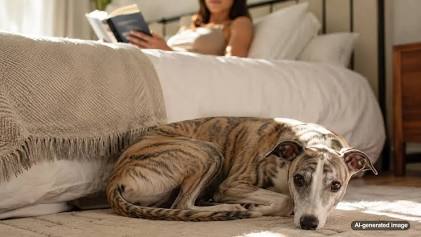
You are finally ready to wind down for the night. You crawl under the covers, fluff your pillows, and pat the mattress next to you, inviting your dog up for some cuddles. They happily jump onto the mattress, give you a quick lick on the hand, and then promptly walk all the way down to the very edge of the mattress to curl up by your toes.
If you are a dog owner, you have likely experienced this slight sleeping rejection. When we invite our dogs into our beds, we often picture cozy, nose-to-nose cuddling. So when they choose the farthest possible corner of the mattress, it is natural to wonder why.
Do they want their own space? Are they guarding you? Or do they just not want to be cuddled?
The Quick Answer
Your dog likely sleeps at the foot of the bed to regulate their body temperature, protect their “pack,” or simply to avoid getting kicked in the middle of the night. Choosing the foot of the bed is actually a sign of deep trust and affection, not rejection.
The Real Reasons Behind the Foot-of-the-Bed Habit
To understand why your dog prefers your feet over your pillows, we have to look at how dogs experience the world and what makes them feel physically comfortable.
1. Temperature Regulation
This is often the most practical reason your dog sleeps so far away. A human bed is incredibly warm, and human bodies generate a lot of heat. While it might feel cozy to you, a dog covered in a thick layer of fur can easily overheat. The foot of the bed is typically the coolest zone on the mattress. If they get too warm, they can easily stretch out or jump off without having to climb over you.
2. Protective “Pack” Instincts
Dogs are social creatures with deep-rooted pack instincts. In a family setting, they often view themselves as part of your pack. By sleeping at the foot of the bed—often facing the bedroom door—they are positioning themselves in a prime guarding spot. From the edge of the bed, they have a clear vantage point of the room and can quickly alert you if they hear a strange noise in the house.
3. Respecting Your Space (and Protecting Theirs)
Humans are restless sleepers. We toss, turn, adjust the blankets, and kick our legs. Dogs are highly observant, and they quickly learn that sleeping right next to your torso means they are likely to get elbowed in the ribs at 2:00 AM. By migrating to the foot of the bed, they can still enjoy your company while staying safely out of the “kick zone.”
4. They Want to Be Close, But Not Clingy
Even the clingiest “Velcro dogs” occasionally need a break from constant physical contact. Sleeping at the foot of the bed allows your dog to fulfill their desire to be near you and share your scent, while still enjoying a little bit of physical independence and room to stretch.
WHAT SHOULD YOU DO?
If you have a foot-of-the-bed sleeper, there is generally no reason to change their behavior. However, here are a few practical tips to make the arrangement comfortable for everyone:
-
Provide a cool alternative: If your dog regularly jumps off the bed panting in the middle of the night, keep a cooling mat or a bare spot of hardwood floor clear nearby so they have a place to cool down.
-
Wash bedding frequently: Because your dog is sleeping on top of the blankets near your feet, dirt and dander can accumulate quickly. Use a protective throw blanket at the end of the bed that you can easily toss in the wash.
-
Don’t force the cuddles: If you pull your dog up to your pillows and they immediately walk back down to your feet, let them be. Forcing a dog to stay in a spot where they feel too hot or cramped can disrupt their sleep and cause them stress.
WHEN TO CONTACT A VET
Where your dog chooses to sleep is mostly a matter of preference, but sudden changes in behavior can occasionally signal an issue. You should consult your veterinarian if you notice the following:
-
Sudden reluctance to jump: If your dog used to sleep at the foot of the bed but suddenly refuses to jump up at all, they may be experiencing joint pain, arthritis, or a hidden injury.
-
Restless pacing at night: If your dog cannot seem to settle at the foot of the bed and instead paces the room, pants heavily, or whines throughout the night, it could be a sign of pain or canine anxiety.
-
Changes in senior dogs: Older dogs may begin sleeping in odd places due to cognitive changes or changes in their vision. If your senior dog suddenly changes their lifelong sleeping habits, it is always worth a vet check.
Conclusion
The next time your dog bypasses your inviting pillows to curl up by your toes, don’t take it personally. They are simply finding the perfect balance between keeping a watchful eye on the room, staying cool, and staying close to their favorite person.
Want to understand more about your dog’s fascinating sleep habits? Check out our guide on [Internal Link: Decoding Weird Dog Sleeping Positions] to learn what their favorite nap pose says about their mood!
H. FAQ
Is it bad to let my dog sleep in my bed?
Not at all. As long as you don’t suffer from severe pet allergies and your dog doesn’t show signs of resource guarding (growling when you move them), sleeping in the same bed is a wonderful way to bond.
Why does my dog start at the top and move to the foot later?
Many dogs love the initial affection of cuddling near your face when you first get into bed. However, once you both fall asleep and body heat builds up, they naturally migrate to the cooler foot of the bed to stay comfortable.
Does it mean my dog doesn’t love me if they don’t cuddle?
Absolutely not! Dogs show affection in many different ways. Choosing to sleep in the same room—or on the same bed, even at a distance—is a huge sign of trust and love in the canine world.
Can I train my dog to sleep closer to me?
You can encourage it by placing a highly valued blanket or dog bed near your pillows and offering gentle praise when they use it. However, if they run hot or prefer their space, they will likely always sneak back down to your feet.


Leave a Reply